Posts

Showing posts with the label respiratory health

How does obesity affect respiratory health?

Image
  Obesity is becoming a global health issue that is becoming widespread even in countries beyond the US. Being obese raises a person's chances of developing heart disease, diabetes, and other chronic conditions. Lisa M. Cannon, M.D. explains why being overweight can affect a person's respiratory health.  Image source: Pexels.com When a person carries extra weight and their BMI increases, the lung volume decreases. This causes limited air entry and a lower total lung capacity. Obese individuals can also experience shortness of breath even with minor physical activity. This condition is called exertional dyspnea. According to recent studies, obese and overweight individuals with COPD are more prone to experiencing the effects of the chronic condition leading to frequent hospitalization compared to others. Being obese also affects breathing during sleep. Lisa M. Cannon, M.D. says that those with the condition can also develop obstructive sleep apnea syndrome which cause...

What are the main symptoms of COPD?

Image
  Millions of people all over the world suffer from chronic obstructive pulmonary disease or COPD. This condition includes shortness of breath, emphysema, and bronchitis. COPD is common among smokers, and many people don't realize that they have the disease until later in life. Pulmonologists suggest that patients see a professional once they have difficulty breathing instead of dismissing it as fatigue or a sign of aging. Lisa M. Cannon, M.D., a board-certified pulmonary disease physician from New Jersey, discusses some of the disease's symptoms. Chronic cough and increased production of phlegm A cough that lasts for days, along with greenish phlegm, can be a sign of COPD. The body's reaction to the increased mucus production and other environmental irritants is through coughing. Too much coughing can cause fatigue and discomfort to the body. This is why those with suspected COPD need to consult their doctors to find ways to clear the airways without further ...

Just quit smoking? Five basic tips to combat insomnia

Image
  While many turn their gaze on caffeine as the culprit for insomnia, nicotine is the main offender. In order to enjoy proper sleep hygiene, one must quit smoking. However, nicotine withdrawal causes sleep disturbances. In this blog post, Lisa M. Cannon, M.D. shares a few tips on how to win the battle against insomnia.  Image source: huffingtonpost.com A warm bath eases the mind and the body, preparing one for some sweet slumber. It is important to set a relaxing environment before hitting the sack to let the mind and body know it is time to rest. Drink herbal tea before bedtime to calm the body and prepare it for sleep. Not only will it prep the mind and body for a good sleep, a cup of tea also helps relieve stress. Lessen caffeine intake . While cutting caffeine to zero would be unnecessary, reducing it by half will prevent one from being over-caffeinated. Drinking too much coffee can cause one to feel jittery and irritated. Make it a habit to drink coffee ea...

Boosting lung power in lockdown

Image
Lisa M. Cannon, M.D., knows that in today's world, one that is struggling with the coronavirus, every little bit helps. From good governance and compliant citizens to efficient business tactics and the development of new and innovative technologies, humanity is indeed very capable of defeating the global health threat. Image source: wellandgood.com Image source: chopra.com As an extension of the service that she does as a pulmonary specialist, Lisa M. Cannon, M.D., has written and released a series of informative blogs on how people can cope with the COVID-19 pandemic. For today's blog, Lisa M. Cannon, M.D. shares two more ways of boosting lung power for people who are still cooped up in their own homes. Meditation Maybe because of its lack of physical movements, meditation is one of the most overlooked health and fitness activities. Be that as it may, meditation has some of the greatest benefits of any activity known to man. For starters, it...

How can allergies affect quality sleep?

Image
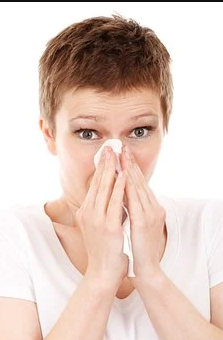
Many factors contribute to a good night's sleep. A person's diet, pre-existing health conditions, lifestyle habits, and even the environment can make or break a good shuteye. Lisa M. Cannon, M.D., says that aside from these factors, allergens can usually affect the quality of a person's rest. Image source: Pixabay.com Image source: Pixabay.com While most consider ventilation and lighting as an important detail that contributes to a good sleep environment, the person's bed matters too. An old mattress can be a breeding ground for bacteria and trigger allergies. Despite covering it with beddings, these unseen elements can cause harm that can go unnoticed. It could cause interrupted sleep that can interfere with a person's condition during the day. Lisa M. Cannon, M.D., notes that dust mites are a common allergy trigger in the bedroom. These microscopic allergens irritate the nasal passages that can cause nasal congestion, sneezing, and even ski...