Posts

Boosting lung power in lockdown

Image
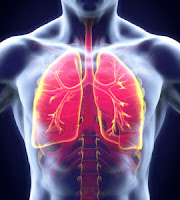
Lisa M. Cannon, M.D., knows that in today's world, one that is struggling with the coronavirus, every little bit helps. From good governance and compliant citizens to efficient business tactics and the development of new and innovative technologies, humanity is indeed very capable of defeating the global health threat. Image source: wellandgood.com Image source: chopra.com As an extension of the service that she does as a pulmonary specialist, Lisa M. Cannon, M.D., has written and released a series of informative blogs on how people can cope with the COVID-19 pandemic. For today's blog, Lisa M. Cannon, M.D. shares two more ways of boosting lung power for people who are still cooped up in their own homes. Meditation Maybe because of its lack of physical movements, meditation is one of the most overlooked health and fitness activities. Be that as it may, meditation has some of the greatest benefits of any activity known to man. For starters, it...


Six tips to improve lung health during self-isolation

Image
As the world tries to fight off COVID-19 and find solutions to eradicate the virus, it is a good idea to boost the immune system while on quarantine. Instead of falling prey to cabin fever, do these tips to increase lung capacity. Image source: webmd.com Image source: wuwm.com Learn to breathe . Many are still clueless about the proper way of breathing. When inhaling, concentrate on expanding the diaphragm. Here, the stomach gets bigger as one inhales air right into the end of the lungs. As a person exhales, their stomach becomes smaller. Eat foods that are rich in antioxidants . One’s lung health is dependent on their diet, shares Lisa M. Cannon, M.D. Foods like fruits, vegetables, walnuts, almonds, pecans, and tuna are great for the body. Drink more water . Lung health is anchored on proper nutrition, and proper nutrition includes better water intake. It’s important to keep the lungs moist to avoid dryness. Drinking water ensures that the mucosal li...

How can allergies affect quality sleep?

Image
Many factors contribute to a good night's sleep. A person's diet, pre-existing health conditions, lifestyle habits, and even the environment can make or break a good shuteye. Lisa M. Cannon, M.D., says that aside from these factors, allergens can usually affect the quality of a person's rest. Image source: Pixabay.com Image source: Pixabay.com While most consider ventilation and lighting as an important detail that contributes to a good sleep environment, the person's bed matters too. An old mattress can be a breeding ground for bacteria and trigger allergies. Despite covering it with beddings, these unseen elements can cause harm that can go unnoticed. It could cause interrupted sleep that can interfere with a person's condition during the day. Lisa M. Cannon, M.D., notes that dust mites are a common allergy trigger in the bedroom. These microscopic allergens irritate the nasal passages that can cause nasal congestion, sneezing, and even ski...

Reset sleep cycle with these tips

Image
There are many reasons why a person’s sleep cycle can be disrupted. Work shifts, time zone changes, and weather changes can lead to an erratic schedule. Lisa M. Cannon, M.D., explains that to keep up with a healthy circadian rhythm, one must build up healthy habits that will allow the body to rest and wake at the most suitable time. Here are some tips for retuning the body’s sleep cycle. Image source: Verywellhealth.com   Image source: Pixabay.com Tweak the body’s sleep schedule bit by bit According to sleep experts, attempting to sleep an hour earlier than what the body has gotten used to might lead to more frustration. Starting the change by sleeping 15 minutes earlier might be easier to accomplish. For those who want to make long-term changes can add 15 more minutes every two or three days until their body gets used to sleeping at their desired time. Avoid naps Lisa M. Cannon, M.D., suggests skipping naps if one feels tired during midday. Some pe...

Narcolepsy: What could be causing the sleep disorder?

Image
Image source: Everydayhealth.com Narcolepsy is a neurological disorder that affects 1 in 2,000 people. It causes excessive daytime sleepiness that can lead a person to fall asleep suddenly, even while doing other activities. According to Lisa M. Cannon, M.D., individuals need to consult with a sleep medicine specialist for the appropriate diagnosis and treatment. Aside from excessive daytime sleepiness, people with narcolepsy may sometimes experience cataplexy, sleep paralysis, hallucinations, interrupted nighttime sleep, or even insomnia. Unlike others, those who have narcolepsy fall into the REM sleep within 15 minutes compared to the usual 60 to 90-minute interval. The disorder can be classified into two categories: Type 1 (with cataplexy) or Type 2 (without cataplexy). Those who have cataplexy may sometimes experience the sudden loss of voluntary muscle control due to strong emotions. This symptom may sometimes be misdiagnosed as a seizure. However, the difference b...

What makes pneumonia a deadly respiratory disease?

Image
Image source: health.harvard.edu Most people do not perceive pneumonia as a deadly disease, but statistics prove otherwise. Often, pneumonia can be the complication that pushes a patient to the limit. According to Lisa M. Cannon, M.D., pneumonia can introduce complications that can be hard to spot but produce deadly effects. Here are some examples of these complications. Septic shock : Bacteria-caused pneumonia can sometimes enter the bloodstream, especially if treatments were ignored. This condition is called Bacteremia, which can lead to septic shock. Septic shock occurs as a reaction to an infection in the blood, which causes a person’s blood pressure to drop down to dangerous levels. It can starve a person’s organs of blood and force them to stop functioning altogether. Kidney failure : When a person’s kidneys don’t get enough blood, it can lead to kidney failure. Bacteremia or septic shock can cause this as it could prevent a person’s heart from pumping enough b...

The bedroom: The overlooked factor in quality sleep

Image
Image source: advancedcardiosleep.com As an expert in the subject matter with years of experience, Lisa M. Cannon, M.D., notes that many factors affect the longevity and quality of a person’s sleep. One of the most overlooked of which is the bedroom. To get that eight hours of uninterrupted sleep, the state of the bedroom plays a crucial role. On that note, Lisa M. Cannon, M.D., shares three essential tips on how to arrange the bedroom to be more sleep conducive. On the bed : The key fixture in the bedroom, of course, is the bed. A good mattress will do wonders for a person’s sleep. It should be comfortable enough to sleep in. Any bed that’s too hard, too soft, or lumpy, will only cause a person to toss and turn. Image source: runtastic.com On neatness : Generally, the bedroom is the ultimate place for rest and relaxation in a person’s home. As such, it should be as neat as can be. Avoid setting up the home office in the bedroom as it takes away the very ess...